How to Start a Small Herb Garden Indoors: A Beginner’s Guide
Starting a small herb garden indoors is a wonderful way to bring fresh flavors into your kitchen, no matter the season. Whether you have a spacious home or just a cozy apartment, growing herbs inside is both practical and rewarding. In this guide, we’ll walk you through everything you need to know to get your indoor herb garden started successfully.
Why Grow Herbs Indoors?
Indoor herb gardening offers many benefits:
– Freshness: Pick herbs right before cooking for the best flavor.
– Convenience: No need to buy herbs from the store or worry about availability.
– Aesthetics: Green plants brighten up your kitchen or living space.
– Air quality: Many herbs can help freshen the air naturally.
– Hobby: Growing plants can be relaxing and educational.
Choosing the Right Herbs
Not all herbs thrive equally well indoors. Here are some beginner-friendly options:
– Basil: Loves warmth and bright light.
– Mint: Hardy and grows quickly but best kept in a separate pot.
– Parsley: Does well with moderate light and consistent moisture.
– Thyme: Needs less water and lots of sunlight.
– Chives: Easy to grow and perfect for window sills.
– Cilantro: Prefers cooler temperatures and moderate light.
Pick 3-5 herbs that you use often in your cooking to start with.
What You’ll Need
Gather these basic supplies before planting:
– Containers: Pots with drainage holes, 4-6 inches deep.
– Potting soil: Use high-quality, lightweight potting mix designed for indoor plants.
– Seeds or starter plants: You can start from seed or buy small herb plants.
– Labels: To keep track of your herbs.
– Watering can or spray bottle: For gentle watering.
– A sunny spot: Ideally a south-facing window that gets 6-8 hours of light.
Step-by-Step Planting Guide
1. Prepare the Containers
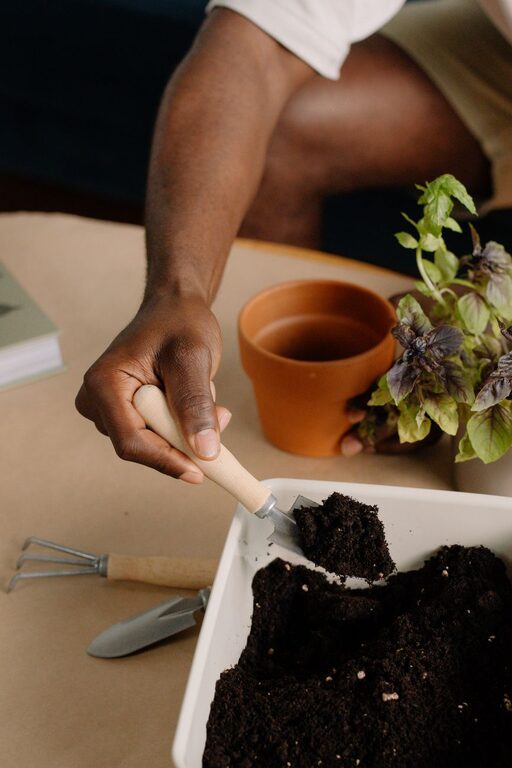
Choose pots with good drainage to prevent waterlogging. Place a layer of small stones or broken pottery shards at the bottom if you want extra drainage assurance, then fill the pot with potting soil, leaving about an inch from the top.
2. Plant the Seeds or Seedlings
If starting from seeds, follow the packet instructions on planting depth. Usually, small seeds go shallow, just covered with soil. For seedlings, gently loosen the roots and plant them at the same soil depth they were in their nursery containers.
3. Water Lightly
After planting, water lightly until the soil feels moist, not soggy. Using a spray bottle can help avoid disturbing the seeds.
4. Place in a Sunny Spot
Most herbs require at least 6 hours of sunlight. A bright kitchen window is ideal. If natural light is limited, consider using a grow light for 12-14 hours a day.
5. Maintain Temperature and Humidity
Most herbs prefer temperatures between 65-75°F (18-24°C). Keep them away from cold drafts or heat sources like radiators.
Care and Maintenance Tips
Watering
– Water when the top inch of soil feels dry.
– Avoid overwatering to prevent root rot.
– Use room-temperature water.
Feeding
– Fertilize every 4-6 weeks with a half-strength balanced liquid fertilizer.
– Alternatively, use slow-release organic pellets as per instructions.
Pruning and Harvesting
– Regularly pinch off leaves to encourage bushier growth.
– Harvest early in the morning after the dew dries for best flavor.
– Avoid removing more than one-third of the plant at once.
Pest Management
– Check plants weekly for pests like aphids or spider mites.
– Use a gentle solution of water and mild dish soap to clean leaves if needed.
– Ensure good air circulation to reduce fungal issues.
Troubleshooting Common Problems
– Leggy plants: Often due to insufficient light. Move closer to a window or add grow lights.
– Yellowing leaves: Can indicate overwatering or poor drainage.
– Slow growth: May need more fertilizer or better light.
– Wilting: Check soil moisture and watering routine.
Creative Ideas for Your Indoor Herb Garden
– Use colorful pots or recycled containers like mason jars.
– Create a vertical garden with wall-mounted planters.
– Place herbs on kitchen shelves where you cook for easy access.
– Mix herbs with small flowering plants or succulents for visual interest.
Conclusion
Starting a small herb garden indoors is simple, enjoyable, and brings fresh, delicious herbs right to your fingertips. With the right choices and care, even beginners can enjoy a thriving garden year-round. Happy planting!
—
Feel free to share your herb gardening journey in the comments or ask questions about getting started!